Legal Complications Continue to Mount
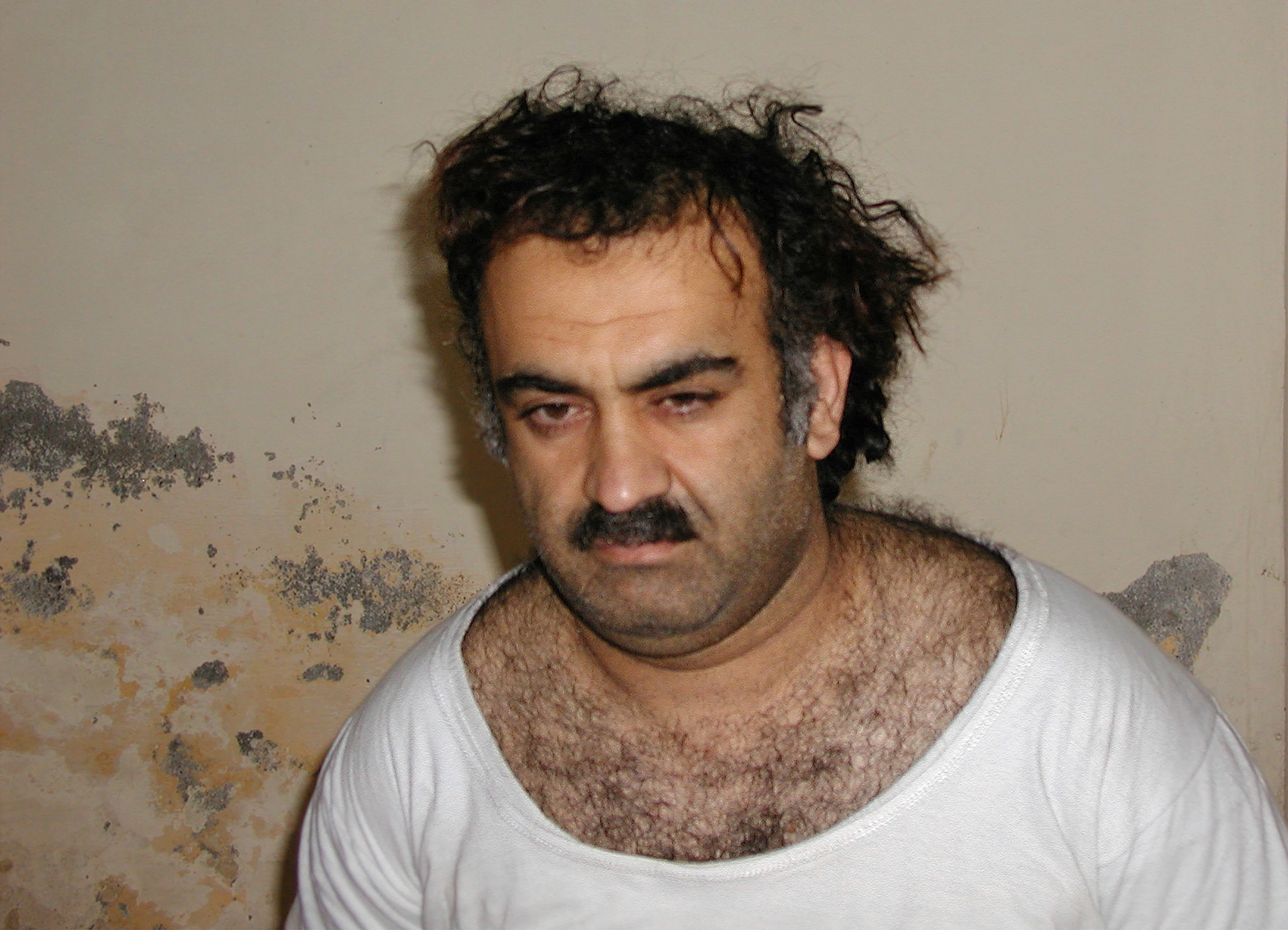
The primary legal obstacle currently impeding any forward movement toward trial is a dispute over the admissibility of statements made by KSM and his co-defendants during their detention and interrogation by the Central Intelligence Agency in the years before their transfer to Guantanamo in 2006, during which period they were subjected to what the CIA's own internal review acknowledged were enhanced interrogation techniques that included waterboarding, sleep deprivation, and stress positions. Defense attorneys have argued for years that any statements made under these conditions are inadmissible as a matter of both domestic and international law, and that the use of such evidence would render any conviction legally untenable and morally illegitimate. Prosecution teams have countered that sufficient independent evidence exists to support convictions without relying on coerced confessions, but the military judges overseeing the case have required extensive evidentiary hearings to determine precisely which evidence may have been derived from or tainted by the CIA interrogation program. Three different military judges have presided over the case in recent years, with each transition resetting substantial portions of the evidentiary record and forcing repetition of hearings that had already been conducted. A further complication arose when the lead prosecutor stepped down earlier this year citing concerns about the fairness of the commission process, a departure that required another period of transition and case review before proceedings could resume. The Biden administration had attempted to negotiate guilty pleas in exchange for life sentences, but those plea agreements were voided by the Secretary of Defense, illustrating how political considerations at the highest levels of government continue to shape a process ostensibly governed by law.
Families Demand Accountability After 25 Years
For the families of those killed on September 11, 2001, the absence of a trial and verdict after a quarter century represents not merely a legal failure but a profound and continuing moral wound — a refusal by the American system they trusted to deliver the accountability that justice demands and that their grief requires. Terry Strada, whose husband Tom was killed in the North Tower and who chairs the 9/11 Families United advocacy organization, has spent years shuttling between congressional offices, courtrooms, and media appearances demanding that the US government take the concrete steps necessary to actually bring the case to trial, including resolving the Guantanamo detention policy that keeps the defendants in legal limbo. Many families have shifted their focus toward civil litigation against the Kingdom of Saudi Arabia, where a long-running federal lawsuit has produced significant documentary evidence of connections between Saudi government officials and some of the hijackers, offering a parallel legal avenue for accountability that has shown more forward momentum than the military commission. On this twenty-fifth anniversary, families gathered at the memorial pools at Ground Zero in lower Manhattan, at the field in Shanksville, Pennsylvania, and at the Pentagon in Arlington, Virginia, for solemn ceremonies that combined remembrance of the dead with renewed calls for justice that the American legal system has so far been unable to deliver. The gap between the solemnity of those ceremonies and the grinding dysfunction of the Guantanamo proceedings has become itself a defining feature of how the United States has processed, and failed to fully process, the trauma of that September morning.