
What the CPI Data Could Mean for Rate Decisions
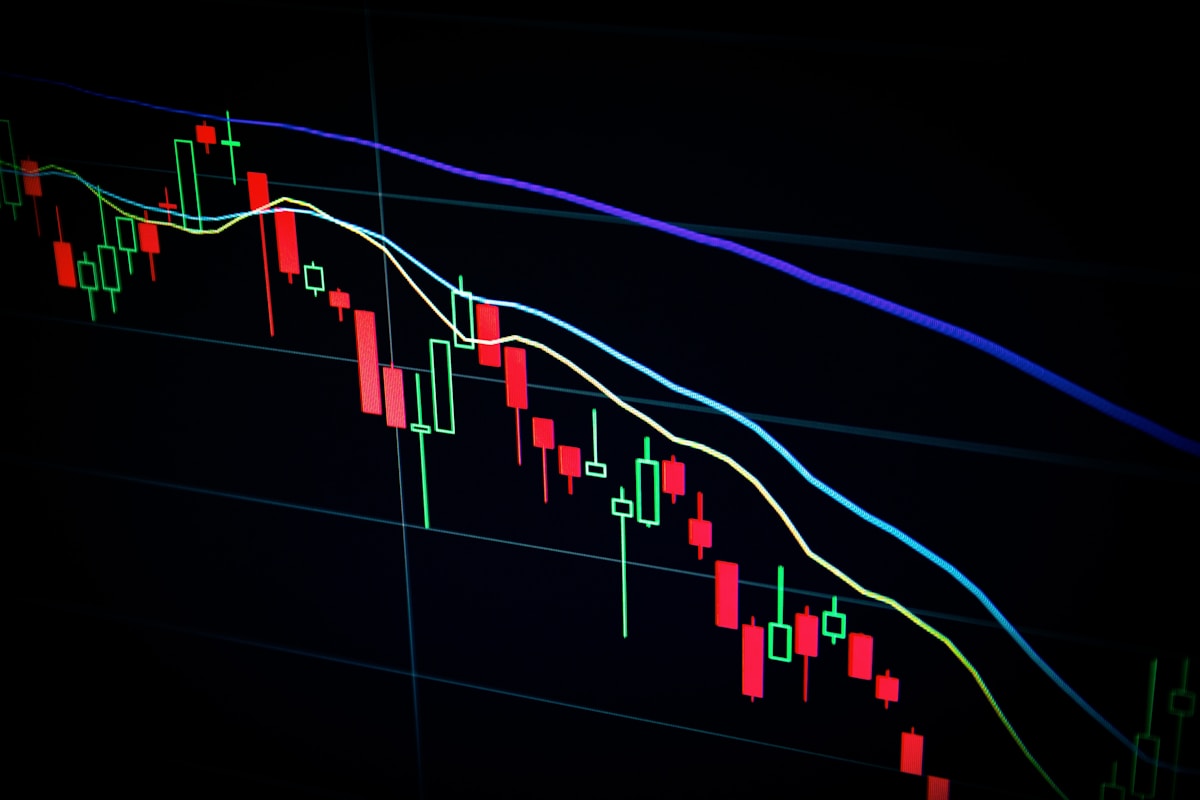
The Federal Open Market Committee's next rate decision on September 30 and October 1 is the proximate reason why Friday's CPI reading carries such extraordinary weight for financial markets, but the broader significance of the data extends well beyond a single meeting to the question of whether the Fed's three-year tightening cycle has run its course or whether additional rate increases are still required to sustainably return inflation to the 2 percent target. Consensus forecasts compiled by Bloomberg call for headline CPI to have risen 0.4 percent in August on a monthly basis, bringing the annual rate to 3.8 percent — a significant acceleration from July's 0.1 percent monthly reading that, if confirmed, would be almost entirely attributable to the surge in gasoline and energy prices caused by the Persian Gulf crisis. Core CPI, which strips out volatile food and energy, is expected to have risen a more contained 0.2 percent for the month, keeping the annual core rate at 3.2 percent and continuing the gradual downward trend that Fed Chair Jerome Powell has repeatedly identified as the most important signal guiding his thinking about the policy path. If both headline and core come in close to expectations, financial markets are likely to rally on the view that the Fed can hold rates steady in September and that the oil-driven headline acceleration is temporary rather than a sign of re-entrenching broad-based inflation. A core beat to the downside — say, a 0.1 percent monthly core reading — could spark a significant relief rally in equities and bonds as markets price a meaningful reduction in the probability of any further Fed tightening. A core surprise to the upside, particularly if accompanied by acceleration in services inflation, would likely trigger the opposite reaction, potentially pushing the 10-year yield toward 5 percent and weighing heavily on rate-sensitive growth stocks.
Investor Positioning and Portfolio Strategies
With the stakes of Friday's CPI release so clearly elevated, professional investors across asset classes spent Thursday reviewing their positions and making incremental adjustments designed to manage the risk of an unexpected outcome while maintaining meaningful exposure to the scenario their central views anticipate. Long-short equity hedge funds have been trimming exposure to duration-sensitive growth stocks — technology companies, consumer discretionary businesses, and highly valued early-stage companies whose valuations are most sensitive to changes in interest rate expectations — in favor of value-oriented sectors including energy, materials, and financials whose earnings are less affected by rate uncertainty and in some cases positively correlated with the inflationary environment. Fixed income investors face a particularly complex positioning challenge, because the range of plausible CPI outcomes spans from scenarios where long-duration bonds rally meaningfully as rate-cut expectations move forward, to scenarios where they sell off sharply as another Fed rate increase gets priced in, making large directional bets costly given the uncertainty. The options market has emerged as the preferred tool for managing this bifurcated risk, with significant demand for straddles — options strategies that profit from large moves in either direction — on both the S&P 500 index and Treasury futures. Retail investors, monitored through brokerage flow data and social media sentiment, have been more cautious than usual in recent weeks, with several major retail brokerage platforms reporting below-average trading volume as individual investors take a wait-and-see approach rather than making large bets ahead of data that even professional analysts are struggling to forecast with confidence. The dominant message from financial advisers to their clients this week has been consistent: maintain well-diversified, long-term oriented portfolios and resist the temptation to make large tactical moves based on short-term data outcomes that are inherently unpredictable.