
Civic Trust at a Breaking Point
Political scientists who study civic participation and voter engagement note with considerable alarm that repeated redistricting battles of the kind Missouri has experienced in recent years are producing measurable erosion of civic trust and voter engagement, particularly in the communities most directly targeted by gerrymandering practices — minority communities, urban neighborhoods, and areas where the political opposition is concentrated. Research from the Brennan Center for Justice and the University of Missouri's political science department shows that in precincts that have been redrawn multiple times in a single decade, voter registration rates, turnout in non-presidential elections, and voter confidence in the fairness of elections all show statistically significant declines compared to precincts in stable districts. The pattern suggests that aggressive gerrymandering, while effective in its immediate goal of shaping electoral outcomes, carries a significant long-term cost in the form of disengaged and disillusioned citizens who increasingly view the electoral system as a rigged game not worth participating in. Community organizers in Kansas City's inner-city neighborhoods describe spending enormous organizational energy just explaining to residents why their congressional district has changed again, energy that they would otherwise direct toward voter registration, candidate engagement, and civic education. Several longtime neighborhood leaders told FiscalFusion they have begun to see an uptick in residents expressing sentiment that voting doesn't matter because the people in power will simply change the rules whenever the existing rules stop producing the outcomes they want — a cynicism that, if it takes hold, threatens democratic participation far more broadly than any single map change.
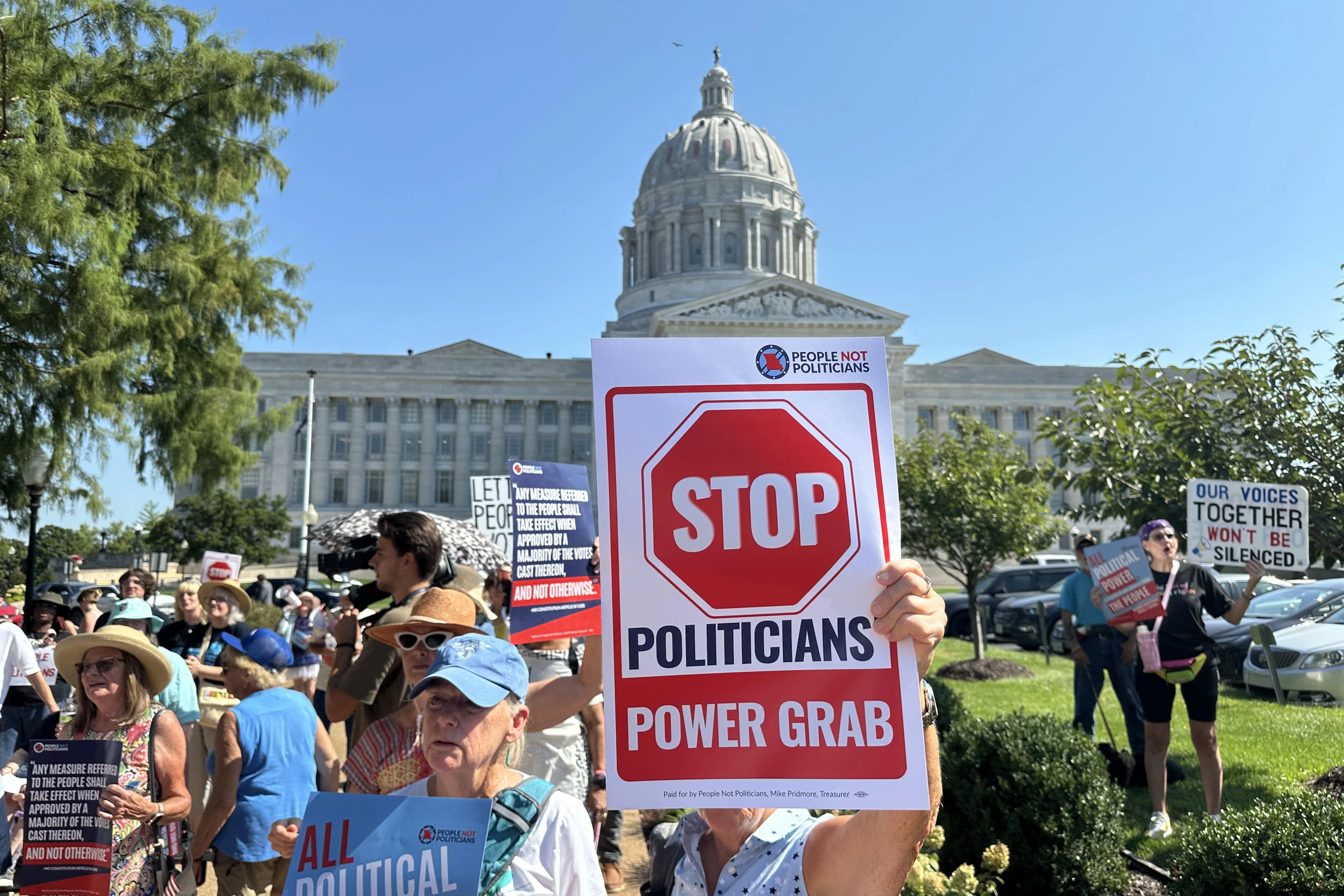
Calls for Independent Redistricting Reform
The Missouri redistricting saga has renewed and intensified a long-running debate about whether the process of drawing congressional and state legislative district boundaries should remain in the hands of state legislatures where it is inherently susceptible to partisan manipulation, or whether it should be transferred to independent, nonpartisan redistricting commissions structured specifically to insulate the line-drawing process from the electoral interests of the party in power. Missouri voters actually approved a constitutional amendment in 2018 establishing a nonpartisan redistricting process, but subsequent legislative actions and ballot measures effectively dismantled that reform before it could be fully implemented, a sequence of events that redistricting reformers describe as a case study in the ability of entrenched legislative majorities to override voter-enacted reforms through procedural and legislative manipulation. Advocates for redistricting reform point to states like California, Colorado, and Michigan, where independent redistricting commissions established through voter initiative have produced maps that courts and independent analysts have assessed as significantly more competitive and less gerrymandered than those produced by legislative processes in comparable states. A coalition of Missouri civic organizations launched a new initiative campaign on Thursday aimed at placing a stronger, legislatively resistant version of redistricting reform before voters in the next election cycle, with constitutional protections designed specifically to prevent the legislature from reversing it through the mechanisms used to dismantle the 2018 reform. Whether Missouri voters, already fatigued and frustrated by years of redistricting battles, will have the energy and motivation to engage in another reform campaign remains a genuinely open question.