Political Implications Across the State
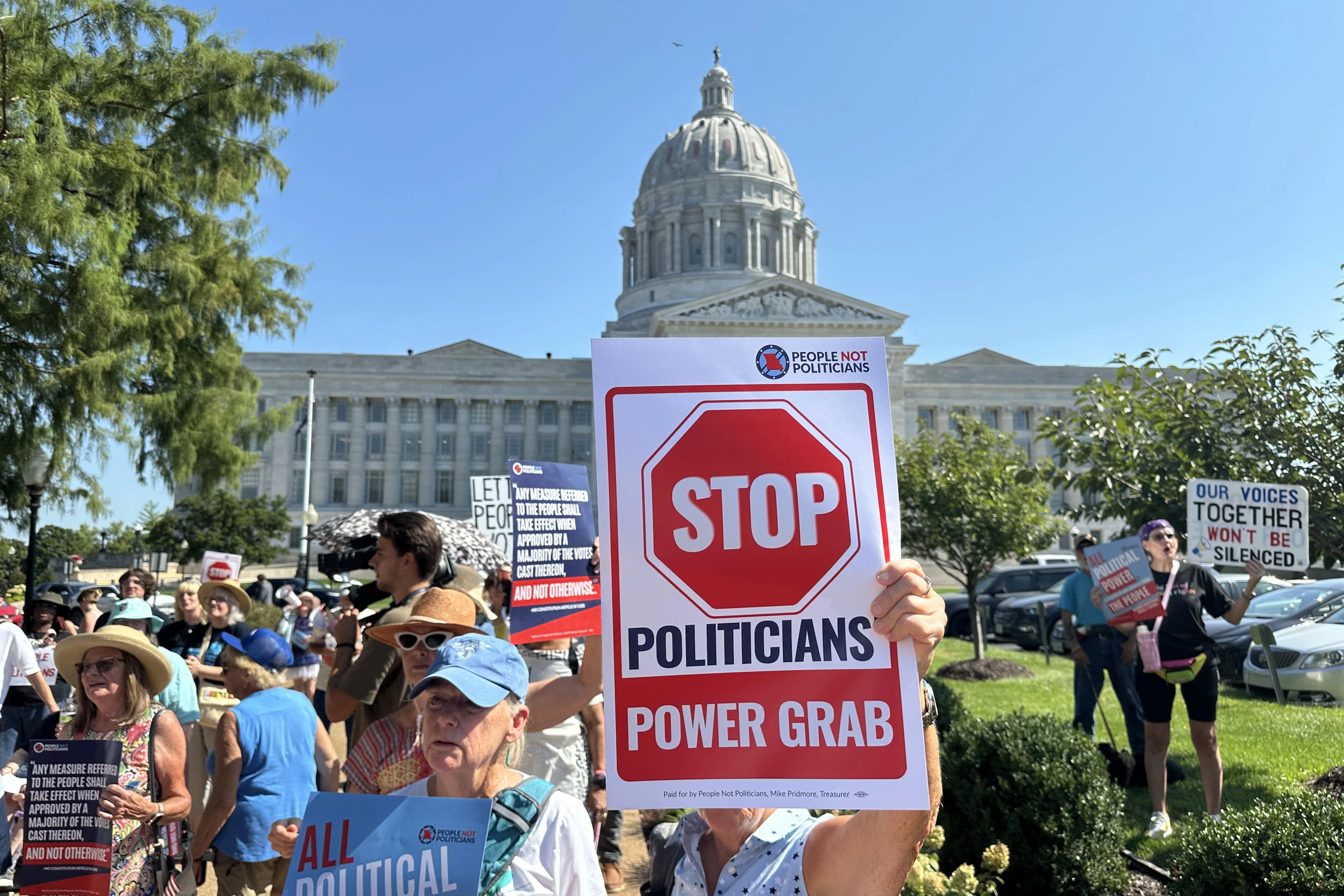
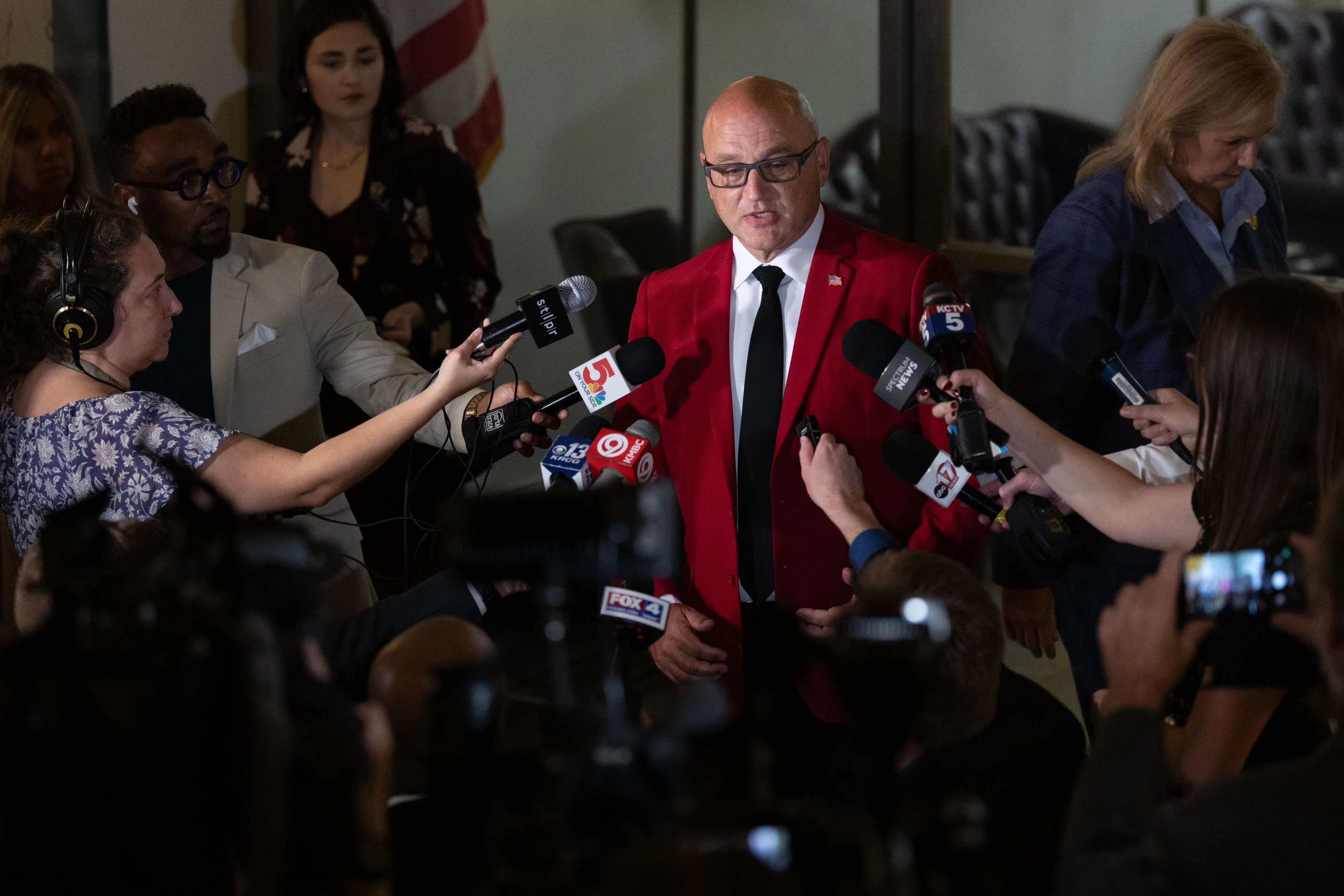
The court's decision carries substantial practical political consequences for Missouri's congressional delegation and for both parties' strategic calculations heading into the next election cycle. The map that Missouri Republicans enacted with Trump's backing had been specifically designed to shore up Republican margins in several competitive congressional districts, particularly in the Kansas City and St. Louis suburban areas where demographic shifts have been creating more competitive conditions in recent cycles. By reverting to the prior district boundaries, the court's ruling restores a map that Democrats consider significantly more favorable to their candidates in at least two of the state's eight congressional districts, potentially affecting the composition of the Missouri delegation and, given the narrow margins in the House of Representatives, having implications that ripple well beyond the state's borders. The Trump campaign, which had invested political capital in the redistricting fight by publicly endorsing the new map and pressuring Republican legislators to adopt it, responded to the ruling with a statement characterizing the court's decision as an example of liberal judicial activism overriding the legitimate democratic choices of Missouri's elected legislature. National Democratic Party officials described the ruling as a victory for democracy and fair representation, and promised continued legal vigilance against redistricting maps that they contend are designed to entrench Republican majorities through manipulation of district boundaries rather than genuine competition for voters' support. The ruling adds Missouri to a growing list of states where court challenges to post-census redistricting maps have significantly altered the political landscape ahead of the next election.
What the Decision Means for Missouri Voters
For the approximately 6.2 million registered voters in Missouri, the court's decision means that the congressional district they will vote in for federal elections has reverted to the boundaries they were familiar with before this year's controversial redistricting, though many voters have expressed confusion about exactly which district they now belong to given the back-and-forth changes in the maps over recent months. Missouri's election administrators have scrambled to update voter information systems, polling place assignments, and the materials sent to registered voters indicating their district affiliation, acknowledging that the pace of legal changes has created genuine operational challenges for the administration of elections that are already complex undertakings. The Missouri chapter of the League of Women Voters has launched an intensive public education campaign using social media, community meetings, and a dedicated hotline to help voters determine their correct congressional district, check their polling place, and understand what the court's ruling means for their participation in upcoming elections. Civil rights advocates have highlighted the disproportionate impact of redistricting uncertainty on minority and low-income voters, who are less likely to have the time, resources, and institutional connections to navigate the confusion and more likely to encounter barriers to participation when district boundaries change. Voting rights attorneys are monitoring the situation closely, with some indicating they are prepared to seek additional court relief if implementation of the reverted map encounters obstacles or if state officials take actions that appear designed to limit minority voter participation under the restored district boundaries.