International Coordination and Arrest Operations
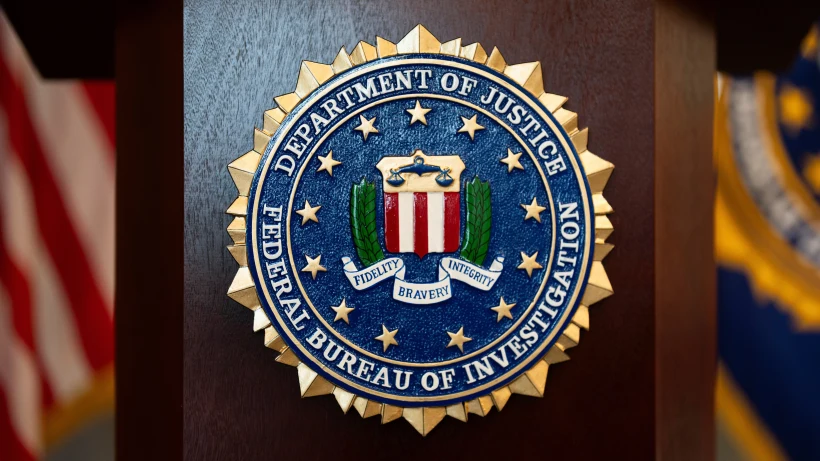
The arrests, which took place across three South African cities including Johannesburg, Cape Town, and Durban over a period of six weeks earlier this year, represent the culmination of a two-year joint investigation led by the FBI's Cyber Division, Interpol's Financial Crimes Unit, and the South African Hawks — the country's Directorate for Priority Crime Investigation — that involved undercover digital operations, financial tracing across multiple cryptocurrency exchanges and wire transfer networks, and coordination with banking compliance teams in Nigeria, Ghana, and the United Arab Emirates. Investigators stated that the defendants maintained sophisticated operational security practices, rotating SIM cards, using VPN services, and conducting financial transactions through a layered network of shell accounts and crypto wallets specifically designed to obscure the ultimate destination of stolen funds. However, a critical breakthrough came when one of the defendants attempted to use a compromised American victim's banking credentials to make a real estate investment in South Africa, triggering an automatic fraud detection flag that led authorities to the wider network. South African Justice Minister Ronald Lamola confirmed Thursday that extradition paperwork is complete and that the six individuals will be transferred to US custody within the next thirty days, marking one of the largest romance scam extraditions in the history of US-South Africa law enforcement cooperation. The case has been cited by digital safety advocates as a powerful example of what sustained international coordination can achieve against organized cybercrime networks.
Victims Speak Out and Advocates Demand More
For the American women who were targeted in the fraud, news of the impending extraditions has brought a measure of relief and vindication, though advocates who work with romance scam survivors caution that legal accountability rarely restores the profound financial and emotional damage these crimes inflict on their victims. Several women who agreed to be identified by their first names in statements coordinated through the Global Anti-Scam Organization described losing life savings, retirement funds, and in some cases their homes to the defendants and their network. One 67-year-old retired teacher from Ohio said she had transferred more than $280,000 to a man she believed was a widowed engineer working on an offshore oil platform before her adult daughter intervened and contacted the FBI. She described years of shame, depression, and social isolation that followed the revelation of the fraud, noting that the psychological manipulation she experienced was so skillful that she had doubted her own perception of reality for months after the deception was exposed. Digital safety advocates are using the high-profile nature of the case to renew calls on US legislators to pass mandatory platform transparency requirements that would force dating sites and social media companies to implement more robust identity verification protocols and to take financial responsibility for fraud facilitated through their services. The FTC reported last year that romance scam losses reported by Americans exceeded one billion dollars annually, a figure advocates say represents only a fraction of total losses given chronic underreporting driven by stigma.