Psychological Terror as Military Strategy
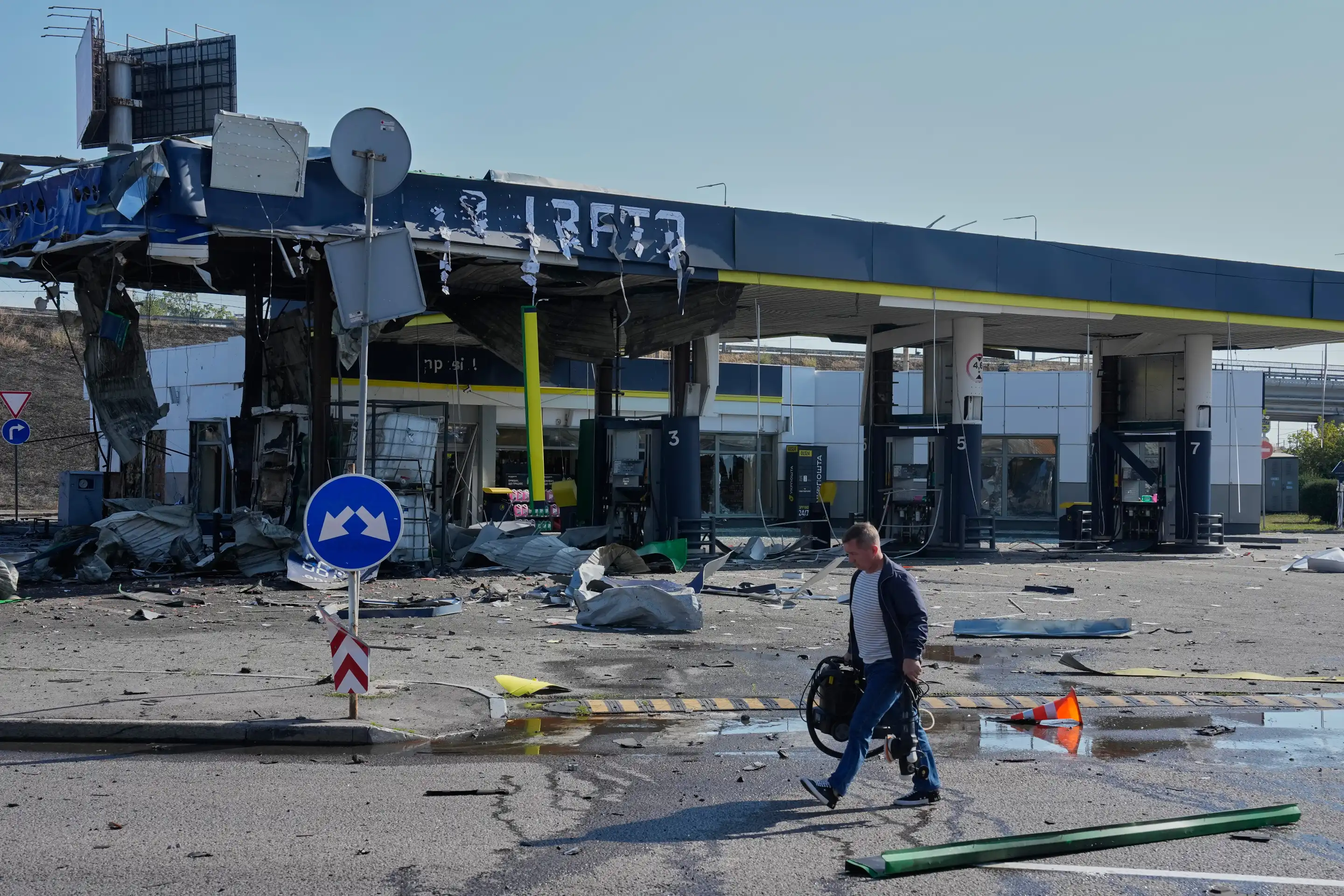
Russian targeting of fuel stations, heating infrastructure, power grids, and water treatment facilities has been a sustained and deliberate element of Moscow's strategy against Ukraine throughout the war, aimed not merely at degrading military logistics but at eroding the psychological resilience of the Ukrainian civilian population and forcing mass displacement that strains government resources and international support networks. Military analysts and psychologists who study civilian endurance in urban warfare contexts note that attacks on mundane, everyday infrastructure such as petrol stations carry a particular kind of terrorizing message: nowhere is safe, normal life is impossible, and the personal cost of continued resistance is intolerably high. For ordinary Kyiv residents who have already endured years of missile strikes, power blackouts, and fuel shortages, Thursday's drone attacks reopened the raw anxiety of warfare that many had been managing through a combination of adaptation, solidarity, and grinding determination. Queues formed at petrol stations that remained open within hours of the strikes, as drivers fearing further attacks sought to fill their tanks while supply remained available. Underground metro stations that double as air raid shelters were packed with frightened residents overnight, including large numbers of children whose parents refused to leave them alone in apartments while sirens wailed and the sound of air defense guns echoed across the city.
Energy Security and International Response
The repeated targeting of Ukraine's civilian energy infrastructure has forced a major rethinking of how Ukraine and its international partners approach the challenge of keeping the country's economy and civilian life functioning under conditions of sustained aerial bombardment. Ukraine's national energy company Naftogaz has worked with private operators to disperse and harden fuel reserves, burying additional storage tanks and creating redundant distribution networks specifically to make the fuel supply system more resilient to the kind of concentrated strike that struck Kyiv on Thursday. International energy companies and donor nations have also provided funding and equipment to improve backup systems and accelerate repairs following strikes, reducing the time between an attack and restoration of services at damaged facilities. However, analysts note that Russia's industrial-scale drone production capability, significantly augmented by deliveries of Iranian Shahed components and North Korean munitions, allows it to sustain a pace of attacks that consistently outstrips Ukraine's repair capacity. The European Union's energy security council convened an emergency meeting Thursday afternoon to review the situation and discuss additional emergency energy assistance packages for Ukraine. NATO Secretary General Mark Rutte reiterated the alliance's commitment to Ukraine's defense and called Russia's targeting of civilian infrastructure a clear violation of international humanitarian law, though he stopped short of announcing any new immediate measures beyond existing support commitments.