A Wave of Withdrawals Tests the Court's Viability
The practical impact of American sanctions pressure on the ICC's membership is becoming increasingly visible and deeply troubling to international law advocates. Following the US escalation, three additional countries announced this week that they are initiating withdrawal proceedings from the Rome Statute, the founding treaty that established the court: the Philippines, which had previously withdrawn under Rodrigo Duterte and was in the process of rejoining before reversing course again; El Salvador; and Equatorial Guinea. These latest departures bring the total number of countries either withdrawn from or actively suspending participation in the court to eleven over the past eighteen months, a haemorrhaging of membership that ICC officials and human rights organizations describe as an existential threat to the court's legitimacy and operational capacity. The countries most vulnerable to American pressure are those heavily dependent on US military assistance, trade preferences, or bilateral aid packages, where governments face a stark choice between their ICC obligations and their relationship with Washington. African nations, which were already disproportionately skeptical of the court following years of complaints that it focused overwhelmingly on African defendants while ignoring Western misconduct, are particularly susceptible to this dynamic. Legal scholars note that a court stripped of universal jurisdiction and operating primarily over the objections of major powers risks becoming irrelevant precisely when its role is most needed.
European Allies Struggle to Defend the Court
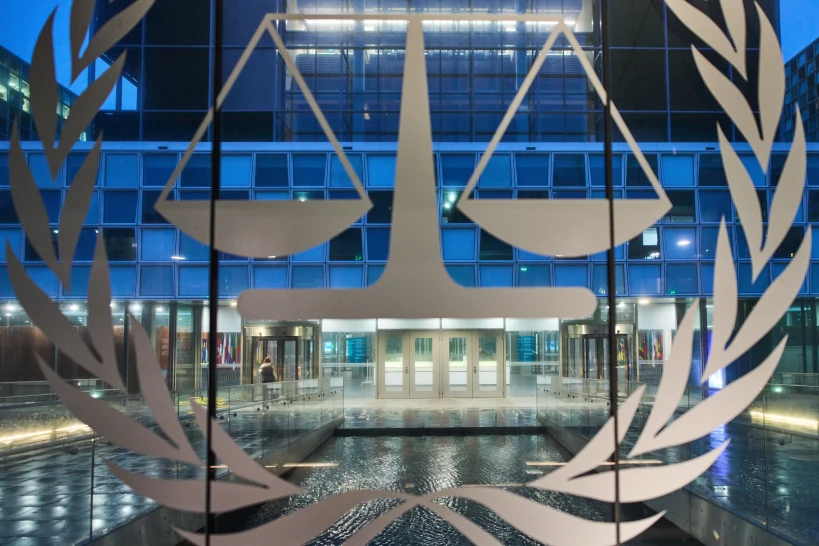
The European Union and its member states find themselves in an acutely uncomfortable position as the ICC crisis deepens, torn between their genuine and longstanding commitment to international criminal justice and their practical dependence on the American security relationship that underpins NATO and European defense architecture. Germany, France, and the Netherlands, which hosts the ICC, have issued increasingly forceful diplomatic protests against American sanctions and pledged to continue funding the court and encouraging member state participation. The Dutch government announced this week a substantial increase in its bilateral contribution to the ICC's operating budget to help offset revenue losses from departing member states, and European Commission President Ursula von der Leyen personally visited The Hague to demonstrate solidarity with the court's leadership. However, European governments have been notably unwilling to take concrete retaliatory measures against the United States over the sanctions, reflecting a calculated judgment that the transatlantic relationship is too important to rupture over legal institution disputes. Human rights organizations have urged European governments to go further, including by threatening to impose their own targeted sanctions on American officials who designed and implemented the ICC sanctions regime, a step that no European government has yet been willing to take. The debate within European capitals over how aggressively to defend the ICC without triggering a broader rupture with Washington is one of the defining tensions of the current transatlantic moment, testing the limits of European strategic autonomy in ways that will have consequences well beyond the court's immediate future.