The Legacy of the Boy King
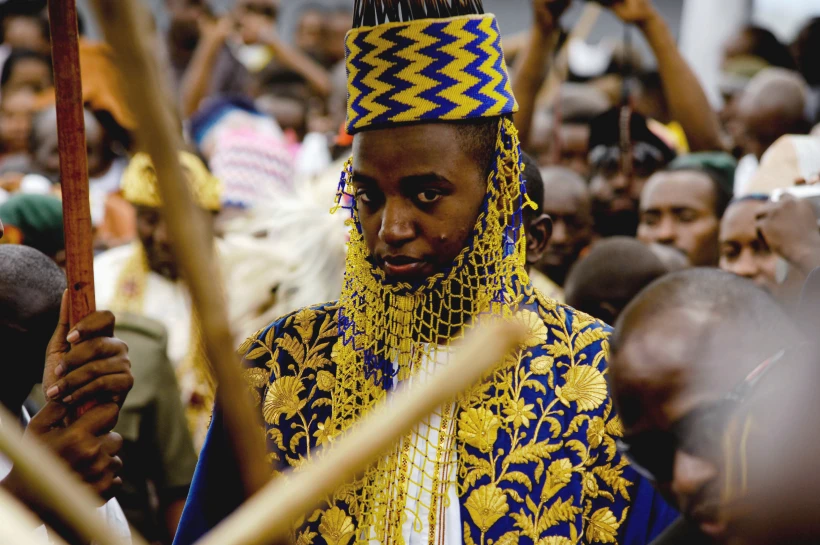
The death of Oyo Nyimba Kabamba Iguru Rukidi IV at 34 years of age from a cardiac condition diagnosed only weeks before his passing has prompted an outpouring of grief across Uganda and among Tooro diaspora communities worldwide that reflects both the genuine affection in which the king was held and the remarkable symbolic weight that his childhood reign had carried for decades. For Ugandans who grew up watching news footage of the tiny three-year-old in royal dress being installed as king with his mother serving as regent during his minority, Oyo's death felt like the loss not only of a monarch but of a piece of living history that connected the present to a distant and romanticized past. Throughout his adult reign, King Oyo had worked to modernize the Tooro Kingdom's institutions while preserving its cultural heritage, establishing the Tooro Royal Foundation to promote education and healthcare in western Uganda, engaging actively on social media to connect with younger Ugandans, and traveling internationally as an ambassador for Ugandan culture and tourism. He had also navigated the sometimes delicate relationship between traditional monarchies and the Ugandan state under President Yoweri Museveni with considerable diplomatic skill, maintaining the kingdom's constitutional recognition and public subsidies while carefully avoiding entanglement in partisan politics that could have threatened the institution's status. His unexpected death, coming just as he was reportedly planning a major initiative to expand the kingdom's cultural tourism infrastructure, has left a leadership vacuum that the clan elders moved quickly to fill in order to prevent the period of uncertainty that has historically accompanied succession disputes in East African royal houses.
A Journalist King and the Future of African Monarchy
The appointment of a journalist as king of the Tooro Kingdom has sparked a rich and wide-ranging conversation across Uganda and beyond about the evolving role of traditional monarchies in contemporary African societies, the qualifications that make someone suited to lead ancient institutions in a modern context, and what the continued vitality of royal houses like Tooro says about the relationship between cultural identity, political legitimacy, and popular attachment to pre-colonial institutions in nations navigating rapid modernization. New King Emmanuel Mugenyi, speaking at his post-coronation press conference in what observers noted was a decidedly un-regal format, said he intends to use his journalistic instincts for inquiry, his commitment to truth, and his understanding of how narratives shape public consciousness to strengthen the kingdom's voice in national conversations about land rights, cultural preservation, and the welfare of western Uganda's communities. He acknowledged that the transition from observer and chronicler to participant and leader is a profound one and pledged to pursue a period of listening and learning before initiating any major institutional changes. Cultural scholars who study African monarchies note that the Tooro succession is part of a broader trend in which several of the continent's surviving traditional kingdoms have sought to bridge the worlds of modern professional achievement and royal governance, recognizing that rulers who can communicate effectively with contemporary audiences and navigate modern institutions are better equipped to preserve and promote their kingdoms' relevance than those who emphasize ceremonial tradition at the expense of practical engagement. For the Tooro Kingdom's subjects, the immediate question is simpler: whether their new king, whoever he is, can carry forward the work of making the kingdom a force for community development, cultural pride, and human dignity in western Uganda.