Investment Landscape Shifts Beyond Passenger Cars
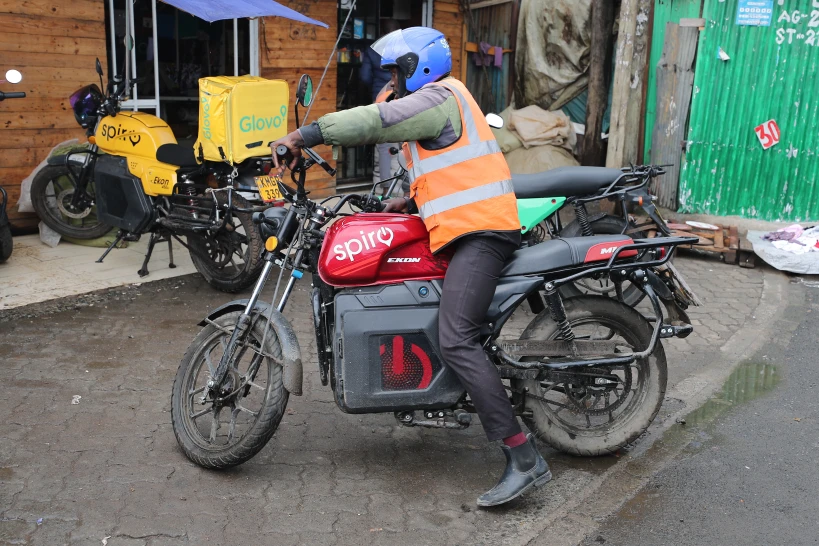
The electric two-wheeler boom is fundamentally reshaping how African governments, development finance institutions, and private investors are thinking about the continent's electric vehicle transition, pushing the conversation decisively away from a car-centric model borrowed from European and American EV policy frameworks toward an approach that reflects African urban mobility realities where motorcycles and three-wheelers move far more people and goods than personal passenger vehicles. The International Finance Corporation announced last month a $200 million facility specifically dedicated to financing electric motorcycle fleet operators, battery swap network operators, and two-wheeler charging infrastructure developers across East and West Africa, its largest single EV-focused commitment on the continent. Development Finance Institutions including the British International Investment, the US Development Finance Corporation, and the European Investment Bank have all increased their allocations toward African e-mobility startups focusing on two- and three-wheelers, recognizing that this is where both the social impact and the commercial opportunity are most immediately accessible. However, the dramatic influx of Chinese-manufactured electric bikes has also prompted difficult policy conversations in several African capitals about the balance between benefiting from affordable Chinese technology and building domestic manufacturing and assembly capacity. Countries including Rwanda, Kenya, and Morocco have introduced local content requirements and preferential procurement policies designed to encourage Chinese manufacturers to establish local assembly operations rather than simply exporting finished products, creating a dynamic tension between price accessibility and industrial development objectives.
Challenges of Scale, Safety, and Sustainability
Beneath the excitement surrounding Africa's electric two-wheeler surge lie a set of serious challenges around quality, safety, battery disposal, and the sustainability of the business models underpinning the sector's rapid growth that industry analysts and policymakers are increasingly concerned need to be addressed before the market matures further. Quality variation among Chinese electric motorcycle manufacturers is extreme, ranging from world-class products from established brands like Yadea and AIMA that meet international safety standards, to low-cost products from smaller Chinese manufacturers that use substandard battery cells, inadequate wiring, and unreliable brake systems that have been linked to fires and accidents in several African markets. Consumer protection organizations in Nigeria, Kenya, and Ghana have documented growing numbers of electric motorcycle fires caused by battery failures in low-cost models, prompting calls for mandatory certification standards and import quality controls that governments have been slow to implement given the administrative complexity and the political sensitivities around restricting access to affordable transport options. Battery disposal represents another growing concern: lithium-ion batteries from electric motorcycles have a typical operational lifespan of two to four years, and Africa currently has almost no formal recycling or safe disposal infrastructure for end-of-life batteries, raising the prospect of a significant toxic waste problem accumulating in urban areas as the electric fleet grows. Sustainability-focused investors are increasingly conditioning their support for e-mobility ventures on demonstrated battery end-of-life management plans, recognizing that the environmental narrative around EVs is undermined when battery disposal becomes a pollution crisis.