Russia and China Clash with Moderate Members
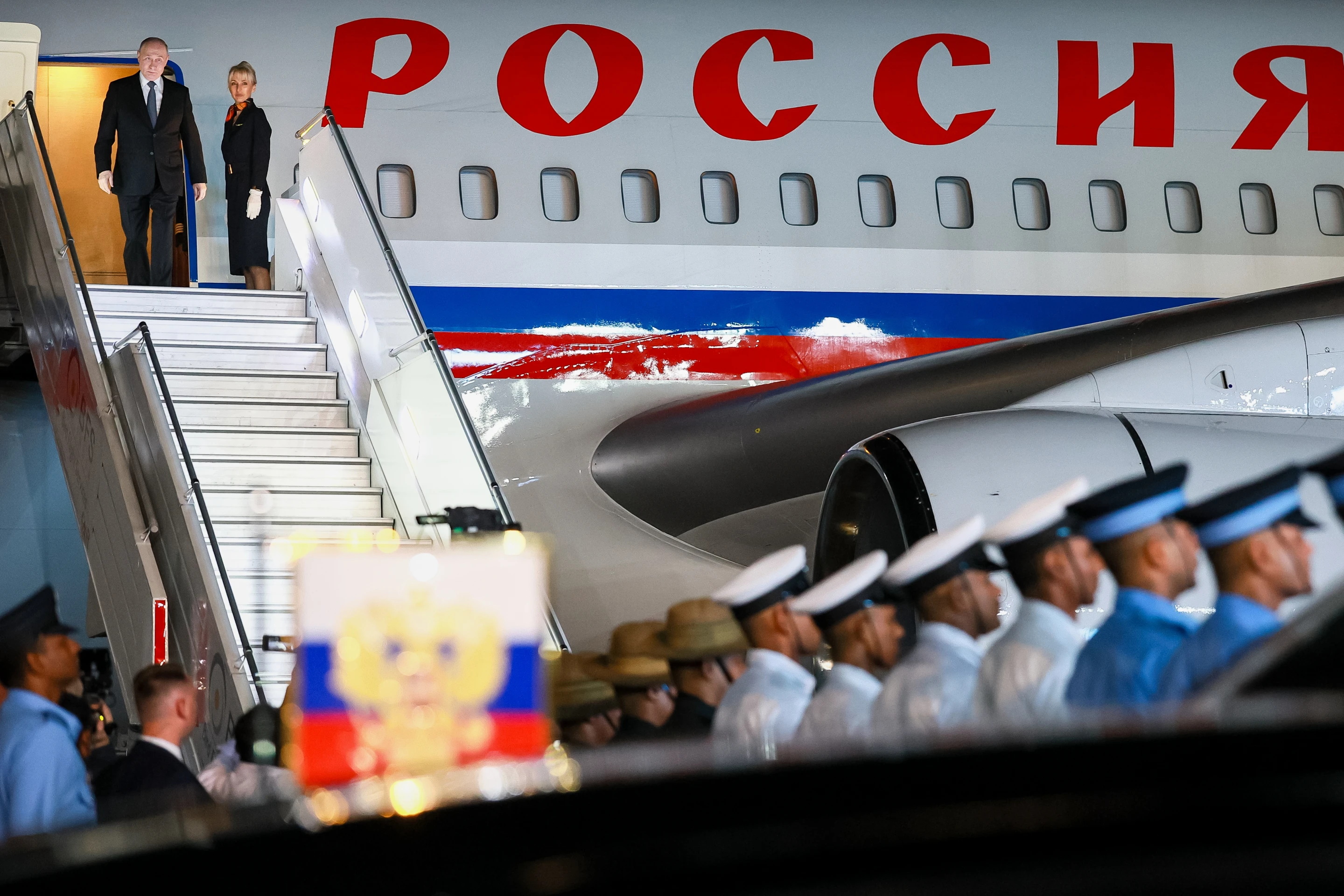
Beneath the choreographed optics of South-South solidarity, the New Delhi summit is exposing a fracture within BRICS that the bloc's expansion has made more rather than less difficult to manage. Russia and China are pressing for the summit to endorse a declaration explicitly criticizing Western sanctions regimes, calling for a transition away from the US dollar in international trade, and establishing a BRICS-backed payment settlement infrastructure that would reduce member states' vulnerability to American financial coercion. But Brazil, South Africa, and India, all of which maintain substantial economic relationships with Western nations and have carefully calibrated their responses to Russia's invasion of Ukraine, are resisting language that would commit them to positions that could damage their relationships with European and American partners. Saudi Arabia and the UAE, newly arrived partners whose participation was a significant diplomatic coup for the bloc, are even more cautious, unwilling to sign on to any framework that might jeopardize their security relationships with Washington or their access to Western financial markets. Iranian participation, meanwhile, creates its own complications, with Tehran seeking to use the BRICS platform to build political legitimacy at a moment when it is engaged in active military confrontation with the United States over the Strait of Hormuz, a conflict that most other BRICS members privately wish would de-escalate quickly given its disruptive effects on global energy markets and supply chains.
The Challenge of Building a Coherent Alternative Order
The fundamental question hanging over the New Delhi summit is whether BRICS can evolve from a forum for expressing dissatisfaction with the Western-led international order into a coherent and functional alternative institutional framework capable of delivering concrete benefits to its members and reshaping global governance structures in meaningful ways. The bloc's advocates point to its combined economic weight, which now represents more than thirty percent of global GDP on a purchasing power parity basis, its control of a disproportionate share of the world's critical minerals and energy resources, and its demographic heft across the Global South as evidence that BRICS has the potential to be a genuinely transformative force in international affairs. Skeptics counter that the bloc's internal contradictions, particularly the China-India rivalry that plays out within the BRICS framework itself, the divergent economic models of its members, and the absence of shared values or strategic objectives, make it fundamentally unsuited to serve as the foundation of an alternative international order. The proposed BRICS currency or payment mechanism, which has been discussed for years without concrete progress, remains stalled on precisely these disagreements, with China pushing for a framework that would inevitably be dominated by the renminbi while India insists on a genuinely multipolar monetary architecture. Summit communiqués are expected to emphasize areas of genuine consensus, including reform of International Monetary Fund voting structures, climate finance for developing nations, and expansion of the New Development Bank's lending capacity, while carefully papering over the bloc's more fundamental divisions.