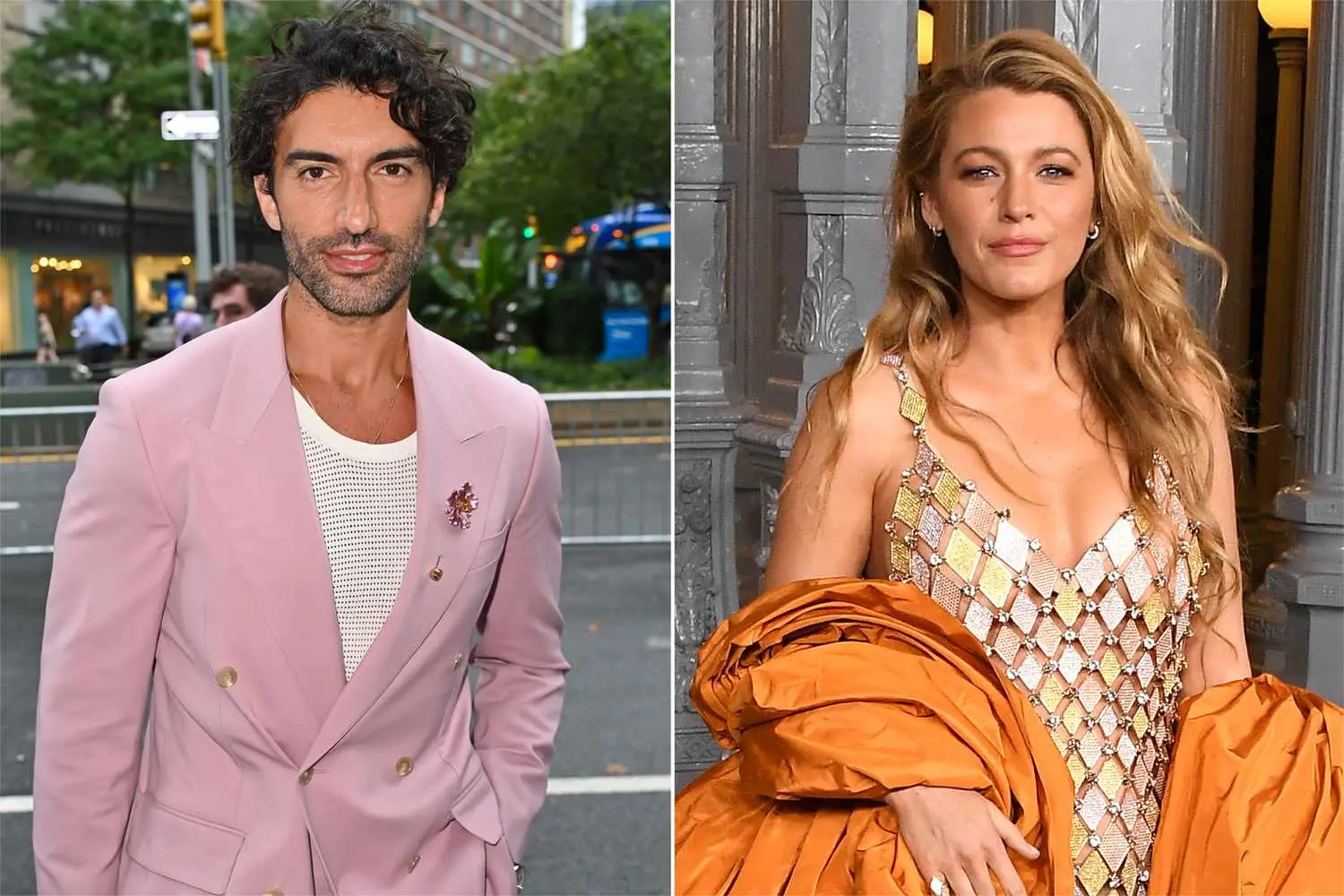
How the Dispute Began
Rumors of tension between the movie’s director-star Baldoni and lead actress Lively first surfaced in the months leading up to the film’s summer 2024 release. Speculation about disagreements behind the scenes quickly intensified online, eventually leading to legal action. In December 2024, Lively filed a complaint with the California Civil Rights Department accusing Baldoni of sexual harassment and alleging that he coordinated a smear campaign against her. According to the complaint, Lively claimed Baldoni engaged in “invasive, unprofessional, and sexually inappropriate behavior” during the production process. She also alleged that Baldoni hired a crisis public relations firm before the film’s premiere in an effort to damage her reputation through what she described as a “sophisticated, coordinated, and well-financed retaliation plan.” At the time, Baldoni’s legal team strongly denied the allegations. Freedman described the accusations as “completely false, outrageous, and intentionally salacious,” insisting that Baldoni had done nothing inappropriate. The legal conflict escalated further on New Year’s Eve 2024 when Lively formally sued Baldoni in federal court in New York.
Countersuit and Legal Escalation
Baldoni responded in January 2025 with a countersuit against both Lively and her husband, actor Ryan Reynolds. In the countersuit, Baldoni sought $400 million in damages and accused the couple of defamation, civil extortion, breach of contract, and several related claims. However, Baldoni’s countersuit suffered a major setback in June when a judge dismissed the case. Despite that ruling, parts of the broader legal dispute remained active, and both sides were preparing for a trial expected later this month. The upcoming proceedings were set to focus primarily on allegations involving breach of contract, retaliation under the California Fair Employment and Housing Act (FEHA), and aiding and abetting retaliation. In a significant development before the settlement, Judge Lewis Liman dismissed 10 of Lively’s 13 claims, including accusations related to sexual harassment, defamation, and conspiracy against Baldoni. Freedman has since argued that the public perception surrounding the settlement does not fully reflect Baldoni’s legal standing at the time negotiations began. According to the attorney, Baldoni himself had already been removed as an individual party from the lawsuit following the judge’s summary judgment ruling, leaving only Wayfarer Studios involved in the remaining legal matters.
Why Baldoni Was Not at the Table
“By the time this settlement discussion even starts, Justin Baldoni is not a party, and that’s what gets forgotten,” Freedman explained. “There was an urgency to try and get it done as quickly as possible. I think that Justin and the other individuals felt pretty comfortable where they were at the time.” Freedman further emphasized that Baldoni does not see the resolution as a matter of winning or losing, but rather as a practical conclusion to a lengthy and exhausting legal process. “You’re looking at this settlement as a win or a loss — I think he just looks at it as a logical ending to a case that he’s already out of,” Freedman added. The settlement now closes a chapter that generated widespread attention across Hollywood and social media, with both Baldoni and Lively facing intense public scrutiny throughout the nearly two-year legal battle. While neither side has disclosed additional details about the agreement, the resolution effectively ends the courtroom conflict that overshadowed the release and aftermath of It Ends With Us.